Skip to content


You cleanse, moisturize, and wear sunscreen, and your skin still feels rough. Foundation clings to the fine hair along your cheeks and jaw, and your complexion looks flatter than your routine should allow. Often, the issue is less about your products and more about what sits on top of your skin.
At ONYX Wellness & Aesthetics, this concern often leads to a conversation about dermaplaning. So what does it actually do to change how your skin looks and feels?
What Does Dermaplaning Actually Do to Your Face?
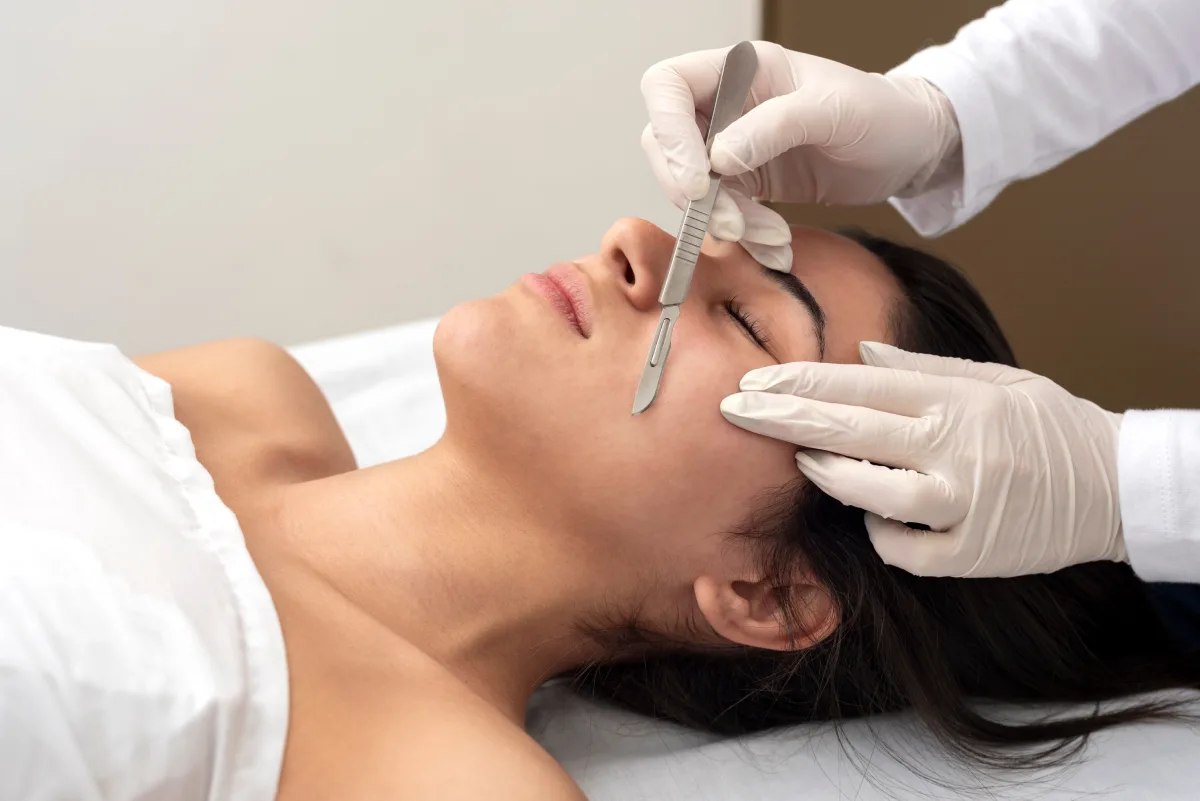
Dermaplaning uses a sterile surgical blade to gently remove the top layer of dead skin cells and fine facial hair, often called peach fuzz. With that buildup gone, most patients notice softer skin that looks brighter, because light reflects more evenly off a smoother surface. The effect is surface-level, typically lasts a few weeks, and results vary from person to person.
What Builds Up on the Surface of Your Skin Over Time?
That top layer is the stratum corneum, the outermost layer of your skin. Its dead cells form a protective barrier and normally shed as newer cells rise from below. Shedding tends to slow with age, and sun exposure plus the swing from humid Nashville summers to dry, heated winter air can leave the surface feeling rougher.
Then there is vellus hair, the fine, nearly colorless hair known as peach fuzz that covers most of the face. It’s normal, but it can hold onto oil, debris, and product residue.
Together, these leave a surface that can feel rough and look dull, even on healthy skin.
How Does Removing Dead Cells and Peach Fuzz Change Skin Texture?
A trained provider holds the blade at a shallow angle and moves it in short, controlled strokes, lifting loose surface cells and vellus hair without reaching deeper layers. For the treatment specifics, see our overview of how a dermaplaning facial treatment is performed at ONYX.
With the uneven layer gone, the surface is more uniform, so most patients notice a softer feel right after treatment. It is the main reason people look into dermaplaning for smoother skin.
Here is where it fits among exfoliation options:
- Physical (manual) exfoliation removes dead cells by lifting or buffing them off the surface, and dermaplaning is one form of it.
- Chemical exfoliation uses ingredients such as alpha hydroxy acids (AHAs) to loosen the bonds holding dead cells together so they shed more easily.
As a facial exfoliation treatment, it also clears peach fuzz, which chemical exfoliants don’t, so it’s sometimes called a peach fuzz removal facial.
Why Does a Smoother Surface Make Your Complexion Look Brighter?
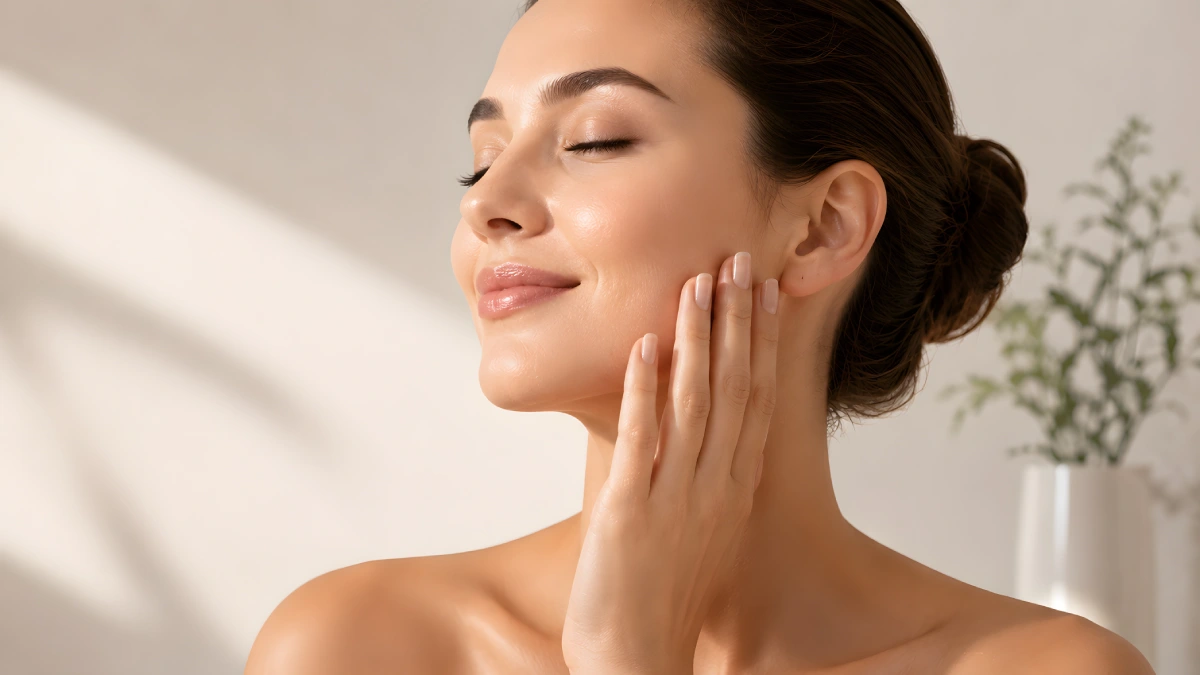
The glow mostly comes down to how light hits your skin. A smooth surface reflects light evenly, while a layer of rough, dead cells scatters it. Think frosted glass versus clear glass: scattered light reads as dullness.
Once that layer is removed, skin tone can also look more even. That’s a surface change, not a pigment change, so it won’t lighten dark spots.
Serums and moisturizers tend to spread and absorb more evenly on a clear surface, and many patients find makeup sits more smoothly without peach fuzz and flaky patches in the way. These are among the benefits of dermaplaning people notice most day-to-day.
What Can Dermaplaning Improve, and Where Does It Stop?
Dermaplaning works well for surface concerns: rough texture, dullness, and peach fuzz that catches makeup. For some patients, it also gives a modestly softer look to very fine lines and mild surface acne scarring.
It doesn’t reach deeper concerns such as established wrinkles, loose skin, melasma or other hormonal pigmentation, or deeper acne scars, so your provider may suggest other approaches for those.
Results are also temporary: skin keeps renewing, and vellus hair grows back, so the smoother, brighter look typically fades over a few weeks, depending on your skin type, routine, and sun exposure.
Common Questions About Dermaplaning
Is Professional Dermaplaning Different From At-Home Face Razors?
Yes. At-home tools are mainly designed for hair removal, while professional dermaplaning uses a sterile surgical blade and a trained hand to exfoliate dead skin too. A provider also assesses your skin first, which helps lower the risk of nicks and irritation.
Can You Wear Makeup the Same Day as Dermaplaning?
Freshly exfoliated skin can be more reactive, so it is often best to skip heavy makeup until the next day, or as your provider advises. For a few days, stick with gentle cleansers and moisturizers.
Is It Normal to See Redness or Breakouts Afterward?
Mild redness that fades within a few hours is common, and some people notice minor irritation or a few small breakouts. If redness, swelling, or discomfort lasts more than a couple of days, contact your provider.
How Far Ahead of an Event Should You Schedule Dermaplaning?
Booking a few days to a week ahead is a common approach. That gives any redness time to settle and lets you see how your skin responds before the day itself.
Why Is Sun Protection So Important After Exfoliation?
Removing the top layer of dead cells leaves fresh skin more exposed to UV rays, so it can burn more easily. Daily broad-spectrum sunscreen helps protect that new surface.
Is Dermaplaning a Good Match for Your Skin Right Now?
Many people with dull or rough-textured skin are good candidates for dermaplaning. A provider evaluates your skin type and tone first, often using the Fitzpatrick scale (a classification of how skin responds to sun and treatment).
It may be worth waiting, or checking with a provider first, if you have active or cystic breakouts, a rosacea flare, a sunburn, a cold sore, or very sensitive skin. Share any recent use of prescription retinoids or isotretinoin, since both can leave skin more fragile.
If you’re wondering whether a dermaplaning facial in Nashville, TN fits your skin goals, our team is happy to talk it through during an aesthetic consultation. Ready to reveal smoother, brighter-looking skin? Schedule your dermaplaning appointment at ONYX Wellness & Aesthetics and discover a personalized approach to achieving a refreshed, radiant complexion.